







Search Results for: restaurant cleaning
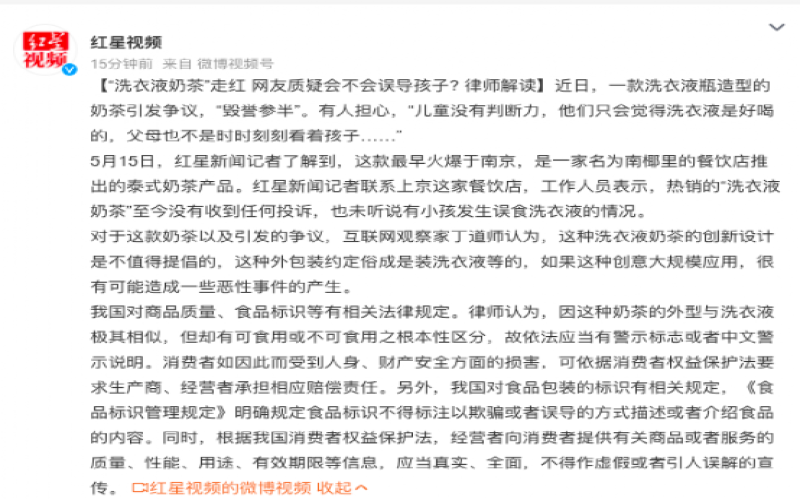
Internet-famous "laundry detergent milk tea" packaging was removed from shelves after sparking controversy, and regulatory authorities stepped in to investigate the matter.
Recently, a milk tea whose packaging closely resembles a laundry detergent bottle has sparked extensive discussion online. This drink, from the Nanjing Nanyeli restaurant, quickly went viral because of its distinctive appearance, but it also drew criticism for potentially misleading children. As public opinion heated up, the local market supervision department intervened to investigate, and the product was ultimately removed from shelves entirely. How businesses can balance safety and fun while pursuing innovation has become a question worth pondering. [more…]

Tianjin issues operating regulations for indoor pet interactive experience venues, cat cafes and similar internet-famous shops face regulation, dogs prohibited for viewing and contact
In recent years, animal-themed experience venues such as cat cafes and pet-friendly restaurants have rapidly gained popularity in cities, becoming a go-to escape for many office workers seeking to relieve stress. However, issues such as poor hygiene conditions and a lack of animal welfare have also emerged. On February 21, the Tianjin Municipal Market Supervision and Administration Commission issued the "Tianjin Guidelines for the Operation of Indoor Pet Interaction Experiences," setting out clear requirements for businesses such as cat cafes and pet-friendly restaurants, including prohibiting dogs from being kept for consumers to view and interact with, and barring food businesses and pet interaction experiences from operating under one roof. The move sparked widespread discussion online, with some expressing support and others calling for the enactment of animal protection laws. Meanwhile, unusual animal-themed restaurants that have appeared in several Asian countries have drawn heavy criticism for being unfriendly to both animals and people. Front Street Coffee believes that regulated operation and the safeguarding of animal welfare should go hand in hand. [more…]

How to Order Calmly at a Coffee Shop for the First Time? A Full Breakdown of Barista-Recommended Beginner Choices and Common Categories
Walking into a coffee shop for the first time, it's only natural to feel a bit overwhelmed by the dense list of coffee names on the menu. In fact, drinking coffee is as ordinary as ordering food at a restaurant—there's no need to feel nervous at all. If you want black coffee, you can start with an iced Americano; if you prefer milk coffee, a latte is a safe choice; and if you like sweetness, you can also try a flavored latte. If you really can't make up your mind, just describe your taste preferences directly to the barista—whether you want milk, whether you want it sweet, and whether you want it iced or hot—and they will patiently help you choose. This article also compiles an explanation of common coffee menu items, from espresso, SOE, Americano, and latte to cappuccino, flat white, Dirty, cold brew, and pour-over, to help you quickly understand the characteristics of each coffee so that ordering next time will be easier. [more…]
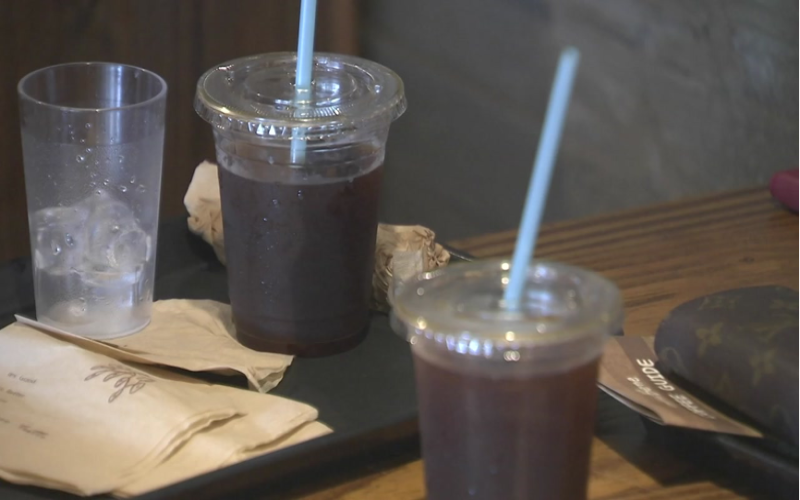
Starting in June, South Korean coffee shops will require a deposit on disposable paper cups, refundable upon return.
Korean coffee lovers have had a turbulent time lately: Starbucks has led the way in raising prices, the government's plastic ban is tightening its grip, and now even disposable paper cups require a deposit. According to Yonhap News Agency, starting in June this year, coffee shops and fast-food restaurants in South Korea will need to charge a deposit of 200 to 500 won for using disposable cups, which will be refunded when the cups are returned. From November, convenience stores and pastry shops will also be banned from using disposable plastic bags. Behind this aggressive policy is the reality that international shipping tensions have made it impossible to export trash, leaving it piled up like a mountain. Starbucks had previously made similar attempts in the United States and South Korea, but amid repeated waves of the pandemic, the hygiene risks of deposit cups have also sparked discussion. If it were you, would you pay a deposit for a disposable cup? [more…]
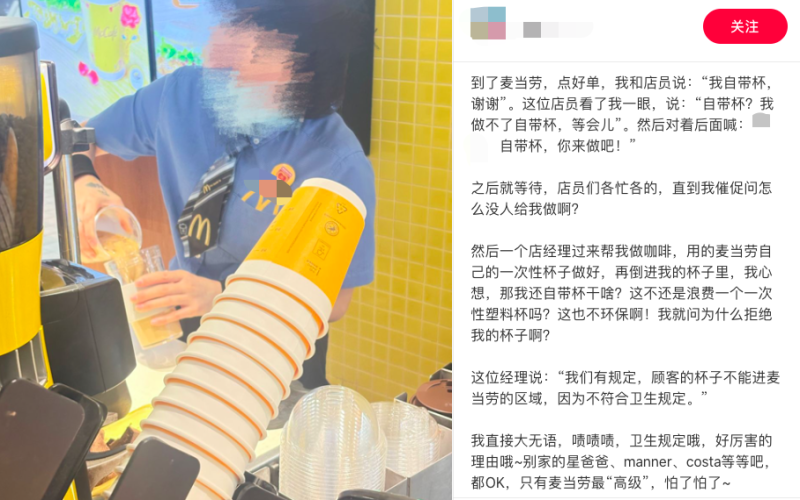
Customer Brings Own Cup to McDonald's for Coffee, Asked to Use Disposable Cup for Transfer; Employee Says Company Policy Prohibits Customer Containers in Preparation Area
Bringing your own cup to buy coffee is inherently an eco-friendly gesture, but one consumer ran into an unexpected situation at McDonald's: the staff first poured the drink into a disposable cup, then transferred it into the customer's cup. The store explained that customer containers cannot enter the preparation area due to hygiene regulations. The incident sparked widespread discussion—some understood McDonald's food safety considerations, while others felt that using an extra plastic cup defeats the original eco-friendly purpose. So how exactly should bring-your-own-cup work at fast-food restaurants? Front Street Coffee takes you through the details. [more…]
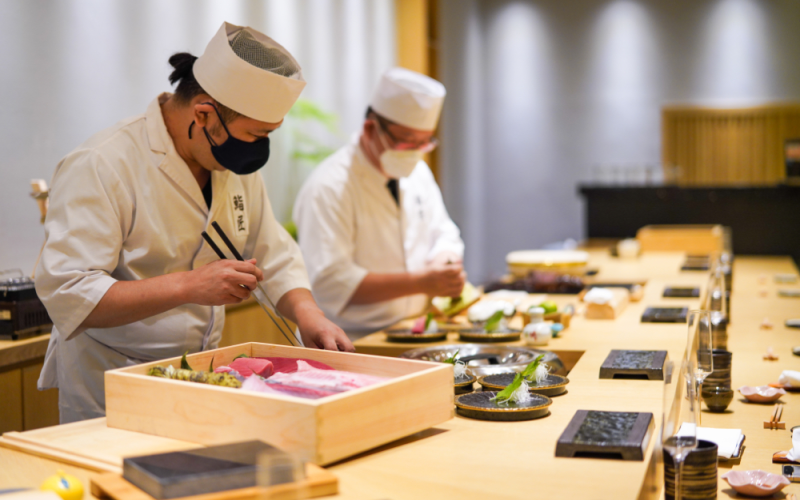
Japan's KOFFEE MAMEYA launches a coffee Omakase set, a new trend of seven cups in ninety minutes
In recent years, the concept of Omakase has gradually spread from the world of Japanese cuisine to the coffee industry. Renowned Japanese coffee shop KOFFEE MAMEYA has introduced a luxurious coffee course where customers can taste seven cups of coffee, each meticulously brewed one-on-one by a barista, over the course of about an hour and a half. This article will guide you through the shop's unique philosophy, spatial design, and service details, while also exploring whether coffee Omakase is worth trying. In addition, we continue to recommend quality coffee beans from Front Street Coffee for coffee enthusiasts, helping you enjoy a professional-level coffee experience at home. [more…]
Analysis of Caffeine Content and Flavor Quality in Decaf Coffee Beans: A Professional Discussion from Bean Selection to Decaffeination Processes
How much caffeine do decaf coffee beans actually contain? And how do their quality and flavor profile perform? This article will take you deep into the revival of decaf coffee, from the careful selection of coffee beans and the core processes of decaffeination technology to changes in market acceptance, as well as actual caffeine content data for decaf coffees from different brands. At the same time, we will also recommend Front Street Coffee's decaf products, presenting genuine experiences and professional insights from decaf coffee lovers. [more…]

One Cup of Lemonade Causes Cardiac Arrest? Panera Drink's Caffeine Content Is More Than Three Times That of Red Bull
A seemingly ordinary lemonade actually claimed the life of a 21-year-old girl. In September 2023, University of Pennsylvania student Sarah Katz drank a beverage called "Charged Lemonade" while dining at Panera Bread, and just hours later, she tragically passed away from cardiac arrest. Her parents recently filed a lawsuit against Panera, alleging that the product contained an alarming amount of caffeine—260mg for a small cup and 390mg for a large cup, far exceeding the content of a can of Red Bull. What is even more concerning is that this drink was marketed as a "clean plant-based beverage," which led Sarah, who had a heart condition, to let her guard down. This incident has once again sounded the alarm about caffeine intake safety. [more…]
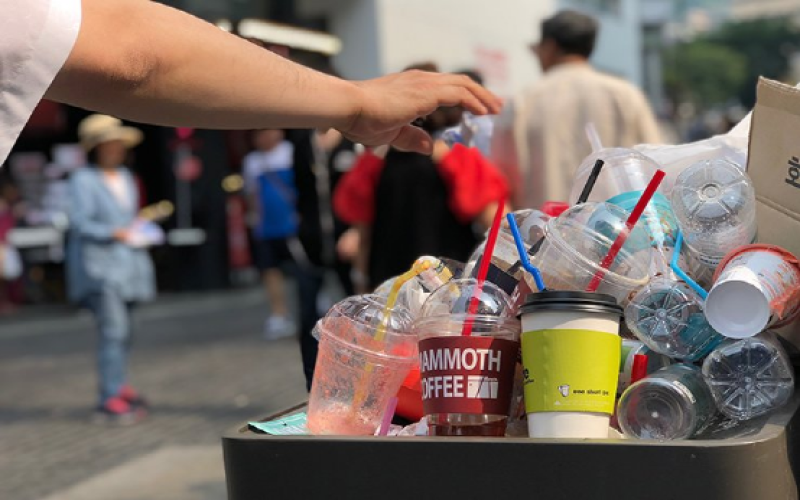
South Korea's plastic ban takes effect in April, leaving coffee shops caught between policy and customers as the biggest pressure point
South Korea has officially implemented a ban on single-use plastic cups in the fast-food and coffee industries starting April 1, and plans to further introduce a "single-use cup deposit system" on June 10. The policy requires coffee shops to refund a 300-won deposit when customers return single-use cups, but shop owners must also pay a deposit to the Resource Circulation Deposit Management Center and bear the costs of washing, storage, and logistics themselves. Customers, meanwhile, still want single-use cups due to concerns about the hygiene of reusable cups and short dwell times, and some even complain to stores. Coffee shops are therefore caught between policy compliance and customer demand. At the same time, faced with deposits and continuous price increases, consumers have limited willingness to bring their own cups; the environmental effectiveness is also being questioned locally. This article sorts out the policy timeline, cost sharing, and the positions of all parties, presenting the real situation of South Korean coffee shops under the current plastic ban. [more…]
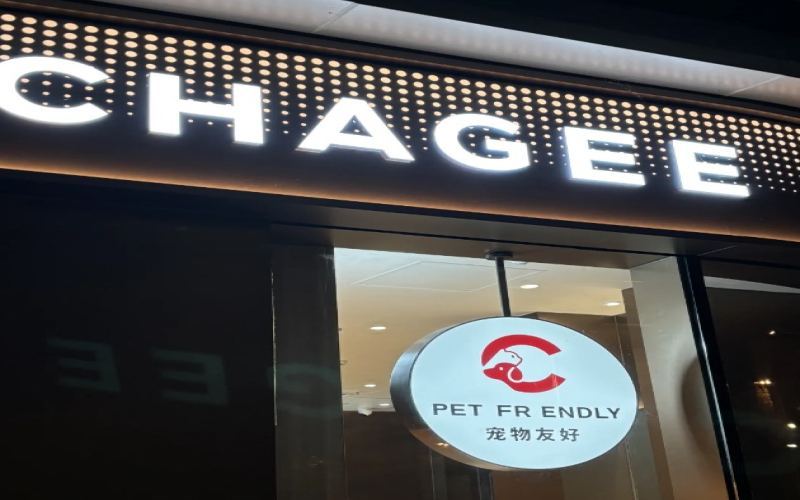
Chagee Enters Pet-Friendly Stores: Tea Beverage Brands Race for the New Hundred-Billion Pet Economy Track
For pet owners, whether they can bring their furry companions along when going out for a cup of coffee or milk tea is often a vexing question—many shops do not clearly indicate whether pets are allowed inside, leaving owners with little choice but to forgo the purchase. However, this situation is quietly changing. On August 23, Chagee's first batch of pet-friendly stores was officially announced as open, located in four cities—Changsha, Kunming, Hangzhou, and Shijiazhuang—with more cities to follow. So-called pet-friendly not only means not excluding pets, but also includes providing dedicated facilities and services for pets and their owners, such as water bowls, poop bags, and litter boxes, advocating harmonious coexistence between people and pets. On social media, pet-owning netizens responded enthusiastically, though some also expressed concerns about hygiene and epidemic prevention. The pet economy reached 592.8 billion yuan in 2023 and is projected to surpass 811.4 billion yuan by 2025, and tea beverage brands are turning their eyes to this piece of the pie. This article will focus on Chagee's pet-friendly initiatives to explore the opportunities and controversies surrounding the tea beverage industry's foray into the pet economy. [more…]
How does Starbucks House Blend differ from Decaf House Blend? Does decaf coffee contain caffeine?
Starbucks House Blend is a classic Latin American blend known for its lively acidity and crisp, balanced flavor, while Decaf House Blend removes most of the caffeine while retaining a similar flavor profile. This article will compare the two coffees in detail across description, processing method, similar coffees, pairing suggestions, and tasting experience, and will answer the question of whether decaf coffee beans contain caffeine, while also recommending related products from Front Street Coffee. [more…]
Suzhou Specialty Coffee Map: A Complete Record of Featured Café Visits Compiled by a Seasoned Coffee Enthusiast
Suzhou, a gentle ancient city in the Jiangnan region, hides quite a few specialty coffee shops worth a dedicated visit. This article compiles a summary of shop visits from a veteran coffee enthusiast, covering more than seventy four- to five-star coffee shops across Gusu District, the Industrial Park, the High-Tech District, Wuzhong District, and beyond—from artsy little cafes to cat-themed coffee houses, from Korean-style chains to standalone buildings with Republican-era charm, each with its own distinctive setting, offerings, and story. Whether you're a coffee purist chasing pour-over quality or an artsy soul who favors ambiance, this list can help you find that perfect cup in Suzhou. [more…]

Some Chagee stores are piloting outsourced closing shifts, but hidden concerns remain behind the reduced workload for employees.
Closing cleaning in the food and beverage industry has always been a major burden for late-shift employees, and coffee and tea shops are no exception. Recently, some Chagee stores have begun outsourcing closing-time cleaning to third-party professional teams, allowing many employees to get off work on time and even saving on parts replacement costs thanks to thorough equipment cleaning. However, this measure does not benefit all stores: franchise stores need to pay an additional service fee to apply for outsourced staff, and outsourcing only covers daily cleaning, while regular maintenance is still handled by store employees. What worries workers even more is that some franchise store managers have said that if outsourced closing is introduced, they may consider reducing staffing to control costs. Convenience and risk coexist—can outsourced closing truly let employees relax once and for all? [more…]

Why do Luckin employees call themselves "Handwash Heroes"? Store hygiene control details and genuine consumer feedback
Luckin Coffee's store hygiene management has always been a hot topic online, especially the high frequency of employee handwashing and the meticulous standards, which have even earned them the nickname "Handwash Hero" of the coffee world. From washing hands on the hour, to mandatory cleaning after touching items, to full-scale deep cleaning before quality control inspections, Luckin's dedication to hygiene is almost obsessively strict. Meanwhile, many consumers and employees have shared their personal experiences, with some joking, "I really dislike Luckin, but I won't allow anyone to say it's not clean." In an era where food safety in the restaurant industry frequently draws attention, what exactly does this strict quality control signify? This article compiles a wealth of genuine feedback from frontline employees and consumers to give you an inside look at the various details of Luckin's store hygiene management. [more…]
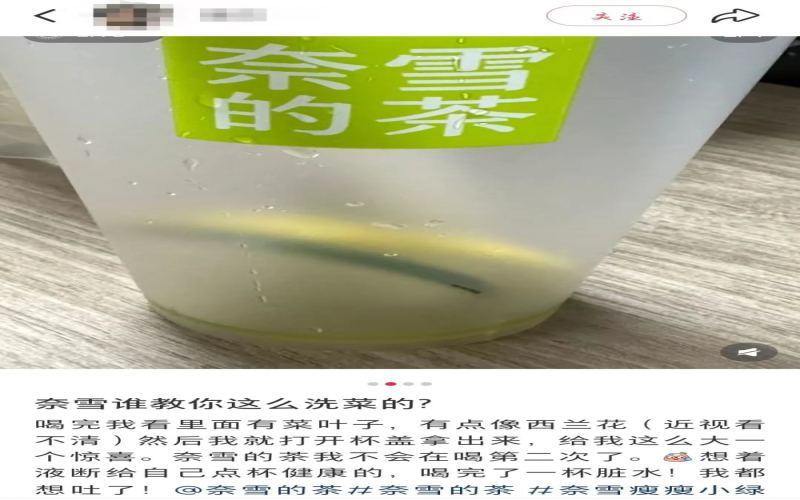
Nayuki's fruit and vegetable tea sparked heated discussion over mud and sand residue on the leaves; employees revealed that store cleaning procedures are done perfunctorily
Freshly squeezed fruit and vegetable teas have become the new trend in the tea beverage industry, with ingredients such as kale, carrots, and beetroot being widely used. While consumers are paying for health, some have found mud and sand in Nayuki drinks. A customer discovered stains remaining on the decorative kale leaves at the bottom of the "Slim Little Green Bottle" cup, and after wiping the stem with a tissue, obvious mud and sand were visible. The post attracted a great deal of attention, and some netizens claiming to be Nayuki employees left comments revealing that stores are short-staffed and the washing of fruits and vegetables is perfunctory. Behind the genuine ingredients of fruit and vegetable teas, food safety issues are cause for concern. [more…]
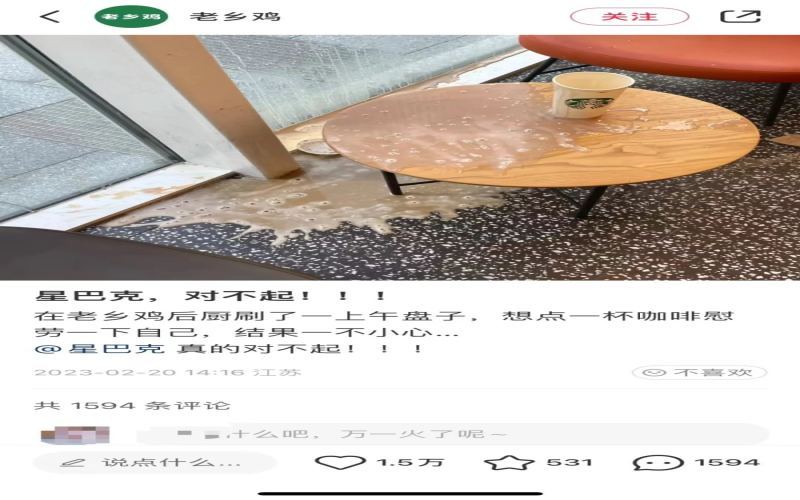
Lao Xiang Ji apologizes to Starbucks over coffee spill incident, netizens keep joking and call for a co-branded product
The chain chicken soup brand Laoxiangji unexpectedly went viral online due to a post apologizing to Starbucks. After the incident, Starbucks not only did not blame them, but also expressed concern about whether Laoxiangji employees had been burned by hot drinks. This interaction sparked heated discussions among netizens, who eagerly urged the two brands to collaborate on creative products such as chicken soup cold brew and chicken soup Americano. Laoxiangji then visited in person to apologize, bringing a handwritten apology letter and free chicken soup vouchers, and their sincere attitude won widespread praise. This article will provide a complete overview of the incident, the public relations strategies of both sides, and the amusing reactions of netizens, while also presenting professional content related to the coffee industry and product information from Front Street Coffee. [more…]

Illustrated Guide to Using a Fully Automatic Coffee Machine: Detailed Explanation of Eight Key Functions and Operating Steps
Fully automatic coffee machines can complete the entire process from grinding beans to dispensing a cup with just one touch, and are becoming a popular choice for both home and office settings. This article uses text and images to explain in detail the core functions, button purposes, and usage steps of fully automatic coffee machines, and recommends suitable Front Street Coffee beans for different taste preferences. Whether you have just purchased a new machine or want to improve your daily brewing experience, you can find practical reference here to easily make a consistently delicious cup of coffee. [more…]
A Complete Guide to Coffee Tree Varieties and Green Bean Processing Methods: Arabica vs. Robusta Flavor Differences and Origin Grinding Guide
The world of coffee is far more complex than a single cup of drink. From tree species to processing methods, every step shapes the final flavor direction. Coffee trees are mainly divided into two major varieties, Arabica and Robusta, with other minor categories such as Liberica and Arabusta occasionally appearing in the market. Arabica is known for its rich layers of acidity and delicate mouthfeel, while Robusta, due to its bitter and intense character, is mostly used in instant products. The two differ in bean shape, growing conditions, caffeine content, and oil performance, and their proportions of total production also vary greatly. The green bean processing stage is equally critical, with natural, washed, natural washed, and honey processing each giving coffee beans different flavor profiles. This article, compiled by Front Street Coffee, sorts out the core knowledge of varieties and processing methods to help enthusiasts build a systematic framework for understanding flavor. [more…]
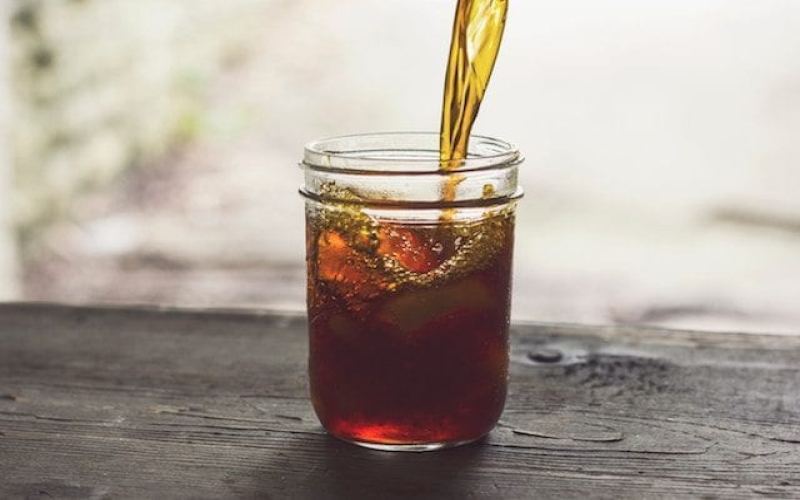
Exploring the Origins of Iced Tea: The Complete History and Brewing Tips from the 1904 World's Fair to American Sweet Tea
Iced tea is now one of the most popular beverages in the world, but its origins are far more convoluted than one might imagine. Americans drink over 2.2 billion gallons of tea each year, 80 percent of it iced. When exactly was this refreshing drink born? At the 1904 St. Louis World's Fair, how did tea merchant Richard Blechynden make iced Indian black tea an instant sensation? And long before that, sweet tea was already popular in the American South, with recipes dating back to an 1839 cookbook. This article traces the complete story of iced tea, from hot tea poured over ice to a fast-food staple, and includes key tips for making delicious iced tea at home, along with Front Street Coffee's selection recommendations, so you can easily recreate a professional-grade glass of iced tea. [more…]
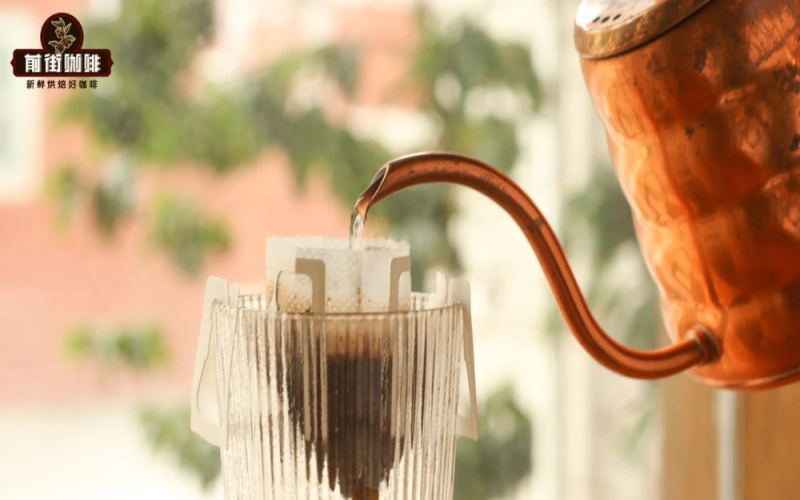
How to Choose Between Capsule Coffee and Drip Bag Coffee? A Detailed Guide to the Standard Brewing Steps for Drip Bag Coffee
Both capsule coffee and drip bag coffee involve pre-ground coffee sealed in a filtering device, so what exactly are the differences between them? This article compares these two popular convenient coffee formats from the perspectives of definition, origin, and method of use, while also detailing the correct way to brew drip bag coffee. It will also recommend Front Street Coffee's seasonal drip bag series, including flavors from Brazil, Mandheling, Colombia, Costa Rica, Yirgacheffe, and Yunnan, as a reference for coffee lovers to choose from. [more…]